
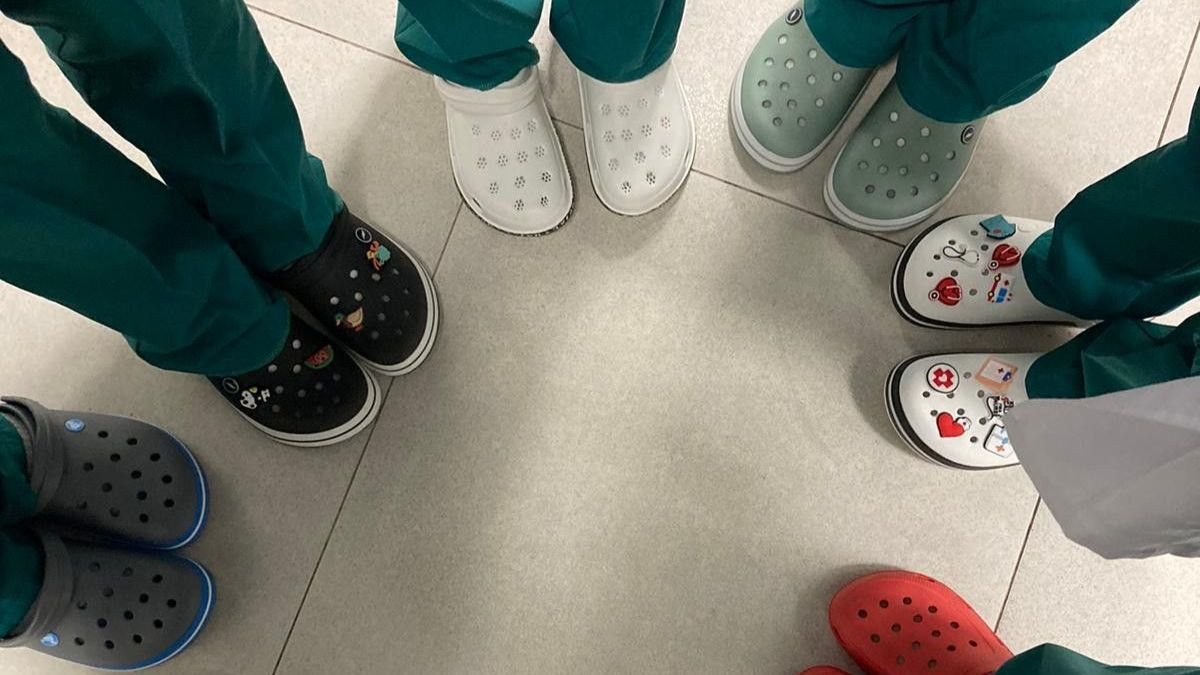
Working as a nurse is one of the most physically demanding jobs. Nurses often spend 8–12 hours a day on their feet, walking long hospital corridors, attending patients, and running between departments. Unsurprisingly, foot pain, fatigue, and joint strain are common complaints among healthcare professionals.
The solution? High-quality nurse shoes designed specifically for comfort, support, and durability. Experienced nurses know the value of investing in the right footwear — it can make long shifts manageable, improve posture, and prevent long-term foot problems.
In this guide, we will explore 8 nurse shoes that experienced nurses swear by for all-day comfort during long shifts.
Why Choosing the Right Nurse Shoes Matters
Nurse shoes aren’t just regular shoes. They are a critical tool for health, comfort, and performance. Here’s why:
Key Benefits:
- Comfort and Cushioning: Long shifts demand shoes that reduce foot fatigue. Memory foam and EVA midsoles absorb shock and make walking or standing easier.
- Arch and Heel Support: Protects knees, hips, and lower back from stress caused by standing for hours.
- Slip Resistance: Hospitals often have wet floors, so slip-resistant soles are crucial for safety.
- Durability: Frequent cleaning and long shifts require sturdy, long-lasting shoes.
- Breathability: Shoes that allow airflow prevent sweaty feet, odors, and infections.
Pro Tip: Nurses can walk up to 5–6 miles per 12-hour shift, which makes investing in the right shoes a career necessity.
Advertisement
1. Dansko Professional Clogs
Why Nurses Love Them:
- Classic rocker-bottom design reduces strain on knees and back
- Excellent arch support
- Slip-resistant and durable
Pros:
- Provides strong support for long shifts
- Very durable
- Perfect for nurses on their feet all day
Cons:
- Slightly heavier than other clogs
- Takes time to break in
Best For: Nurses who prioritize support, durability, and long-term foot health.
2. Crocs Specialist Clogs
Why Nurses Love Them:
- Lightweight and easy to slip on
- Ventilation ports for breathability
- Affordable and easy to clean
Pros:
- Comfortable for long shifts
- Great for hot hospital environments
- Very budget-friendly
Cons:
- Less structured arch support compared to Dansko
- Not as durable for heavy use
Best For: Nurses who want lightweight, breathable, and easy-to-clean clogs.
3. Alegria Keli Professional Clogs
Why Nurses Love Them:
- Adjustable straps for a custom fit
- Memory foam footbed with antimicrobial lining
- Shock-absorbing sole reduces joint strain
Pros:
- Stylish and comfortable
- Excellent arch support
- Adjustable for a perfect fit
Cons:
- Higher price point
- Slightly heavier than synthetic clogs
Best For: Nurses who want a balance between style, comfort, and long-term support.
4. Sanita Professional Nursing Clogs
Why Nurses Love Them:
- Durable leather upper with soft cushioned footbed
- Slip-resistant outsole
- Memory foam cushioning
Pros:
- Reliable and long-lasting
- Stylish design
- Comfortable for long hospital shifts
Cons:
- Requires a short break-in period
- Less breathable than perforated models
Best For: Nurses who need a professional, durable, and supportive option.
5. Brooks Ghost Clog Sneakers
Why Nurses Love Them:
- Sneaker-style comfort with clog convenience
- Soft cushioning and arch support
- Breathable design
Pros:
- Very comfortable for long shifts
- Hybrid design offers best of sneakers and clogs
- Lightweight and supportive
Cons:
- Less traditional look
- Slightly more expensive than standard clogs
Best For: Nurses who want sneaker comfort in a hospital-ready shoe.
6. Hoka One One Clog Sneakers
Why Nurses Love Them:
- Maximum cushioning and shock absorption
- Lightweight design reduces fatigue
- Slip-on convenience for quick wear
Pros:
- Excellent support for nurses on 12+ hour shifts
- Reduces stress on knees and back
- High comfort level
Cons:
- Expensive
- Bulkier than traditional clogs
Best For: Nurses who spend long hours on their feet and need maximum comfort.
7. Nurse Mates Dove Clogs
Why Nurses Love Them:
- Lightweight EVA sole
- Slip-resistant and easy to clean
- Cushioned interior for comfort
Pros:
- Affordable and reliable
- Comfortable for most hospital settings
- Easy to maintain
Cons:
- Less durable than leather clogs
- Limited color options
Best For: Nurses on a budget who still want comfortable and reliable footwear.
8. Skechers Work Sure Track Shoes
Why Nurses Love Them:
- Athletic-style comfort with slip-resistant sole
- Memory foam cushioning
- Breathable upper
Pros:
- Sporty and comfortable
- Excellent cushioning and support
- Great for hospital floors
Cons:
- Less formal than traditional clogs
- Slightly heavier than other athletic options
Best For: Nurses who prefer sneakers over clogs but still need comfort and safety.
How to Choose the Right Nurse Shoes
When selecting the perfect pair, consider:
- Arch Support: Helps prevent plantar fasciitis and foot fatigue.
- Cushioning: Memory foam or EVA midsoles offer comfort for long shifts.
- Slip-Resistance: Essential for hospital safety.
- Material: Leather for durability, synthetic for lightweight and easy cleaning.
- Fit: Ensure the shoes fit well — comfort is more important than style.
- Style & Hospital Policy: Some hospitals allow colorful or patterned shoes; others require neutral colors.
Tips for Maintaining Your Nurse Shoes
- Clean daily with mild soap or hospital-approved wipes
- Rotate between two pairs to extend shoe lifespan
- Replace insoles every 6–12 months
- Avoid wearing worn-out shoes to prevent injuries
Conclusion
Choosing the right nurse shoes is crucial for any healthcare professional. Whether you prefer classic clogs like Dansko, lightweight Crocs, or sneaker-style options like Hoka One One, investing in quality footwear ensures comfort, safety, and long-term foot health.
Experienced nurses know that the right shoes aren’t a luxury — they’re essential for surviving long shifts with comfort and style.
FAQ’s About Nurse Shoes
Q1: Are nurse shoes better than regular sneakers?
A: Yes. Nurse shoes provide slip-resistance, arch support, and durability needed in hospital environments.
Q2: How long do nurse shoes last?
A: High-quality shoes like Dansko or Alegria can last 2–4 years with proper care.
Q3: Can men wear these nurse shoes?
A: Absolutely. Most designs are unisex.
Q4: Are expensive nurse shoes worth it?
A: Yes. Investing in quality reduces fatigue, prevents injury, and lasts longer than cheap alternatives.
Q5: Can I wear nurse shoes outside of work?
A: While designed for hospitals, most nurse shoes are stylish and comfortable enough for casual wear.